Diphtheria, Tetanus, and acellular Pertussis (DTaP) Vaccine
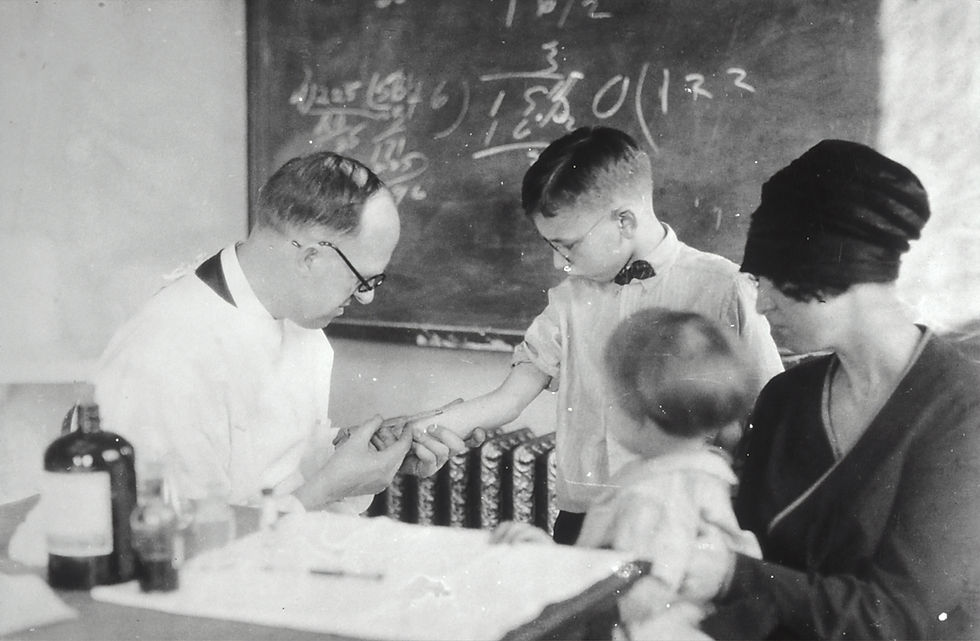
The DTaP vaccine provides protection against Diphtheria, Tetanus, and Pertussis. The DTaP vaccine is offered to children under the age of seven. Later in childhood, the TDaP vaccine is recommended to improve lasting immunity for the same illnesses.
Diphtheria is a serious bacterial infection that infects the mucous membranes of the nose and throat. In advanced stages, diphtheria can damage the kidneys, heart, and nervous system. Even when treated, Diphtheria can still be deadly. Vaccine availability has been credited with a drastic decline in diphtheria cases in the United States, but the disease is still present in other countries. Before vaccination, Diphtheria was listed as one of the leading causes of death amongst children.
Tetanus is a serious nervous system disease caused by a toxin-producing bacterium, often resulting from puncture wounds, animal bites, or contaminated cuts. Tetanus is commonly known as lockjaw, stemming from the disease’s severe muscle contractions localized in the jaw and neck. Complications can be life-threatening, and there is no cure.
Pertussis, commonly called “Whooping Cough,” spreads easily. Symptoms of Whooping Cough include congestion, red eyes, fever, and a “whooping” cough. Thick mucus builds up inside the airways, causing rapid and uncontrollable coughing. Deaths linked to Whooping Cough are relatively rare, mainly occurring in infants. However, in severe coughing fits, Whooping Cough can cause shortness of breath and life-threatening breathing pauses, called apnea.
Sources: CDC, Mayo Clinic, and the World Health Organization

The Case For the Vaccine
Diphtheria was once a leading cause of death amongst children. In 1921, the United States recorded 206,000 Diphtheria cases and 15,520 deaths. Since the vaccine’s introduction, Diphtheria cases have almost disappeared.
Tetanus cases do not spread from person to person, so “herd immunity” has little societal benefit when protecting the unvaccinated.
Acellular Pertussis (Whooping Cough) cases have declined with improved vaccination, mainly affecting unvaccinated babies or individuals with fading vaccine protection. While most teens and adults recover from Whooping Cough with no problems, long-term side effects can linger, including cracked ribs from coughing, broken blood vessels, and muscle damage. Symptoms are typically worse in babies.
Sources: History of Vaccines, CDC, Mayo Clinic
The Case Against the Vaccine
As with many other vaccines, side effects may occur following vaccination. Seizures and neurological problems have been reported post-vaccination. Additionally, exposure to the Tetanus toxoid in the vaccine may increase the risk of Guillain Barre Syndrome later in life. Additionally, many individuals feel as though the diseases included in this vaccine present little prevalence in today’s society. Diphtheria and Whooping Cough cases are contagious, and the cases are incredibly rare, so there is little perceived risk of sickness.
Source: National Library of Medicine

Conclusion
This vaccine offers protection against some of the most feared diseases in American history. Diphtheria and Tetanus are serious conditions. However, potential neurological issues and perceived absence of risk have led parents to question the integrity of this vaccine. When deciding to vaccinate your child, consider the concept of “herd immunity” – the thought that the vaccinated majority protects the unvaccinated minority. Herd immunity has allowed these diseases to become incredibly rare. We have seen cases of other previously rare diseases occur because of lower vaccine rates. Consider the potential elevated risks looming if herd immunity’s protection lessens due to lower vaccine rates.
